Frequently Asked questions
Here are your faq questions for Happy Ears earplugs Australia. You can click on content links to get to that section.
Fit and sizing
Which size should I choose?
We recommend all new Happy Ears customers start with a Discovery Pack. It includes all three sizes — small, medium and large — at a discounted price with a full money-back guarantee. Once you find your size, we're confident you'll never go back to another earplug.
How do I know if my Happy Ears are inserted correctly?
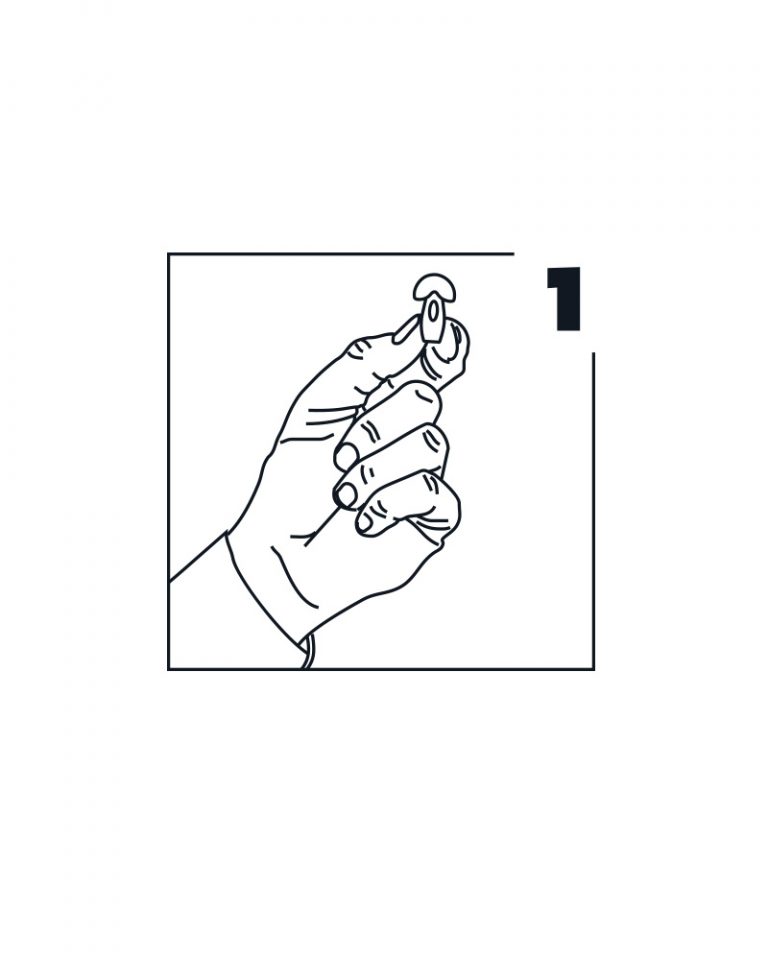
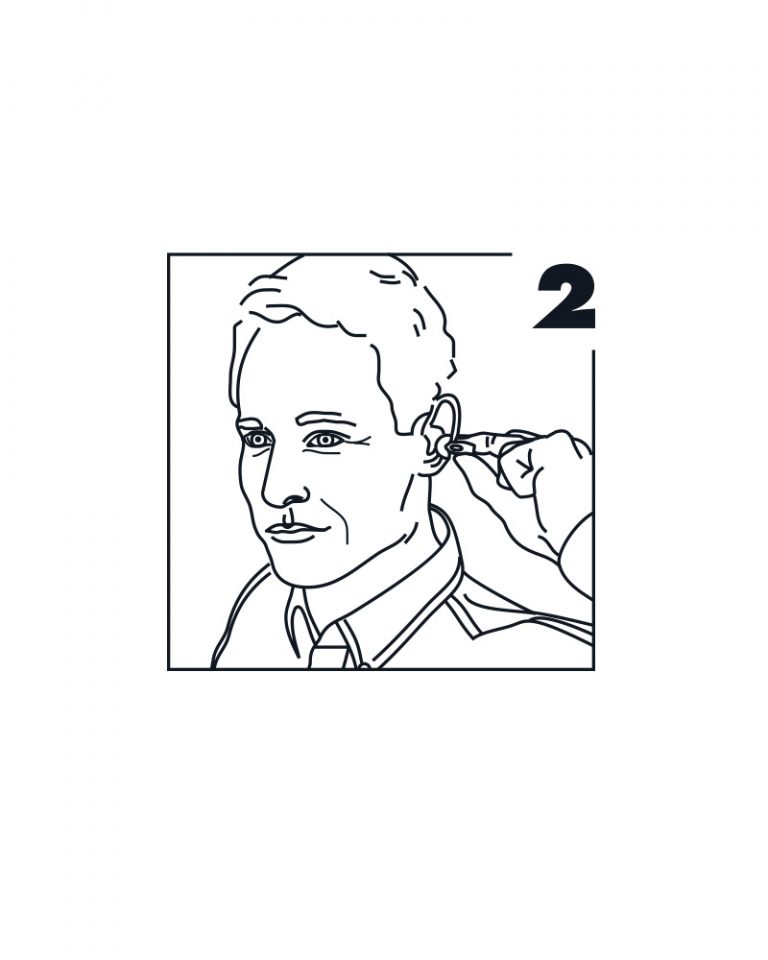
Insert Happy Ears with the larger oval end facing into the ear. If starting with a Discovery Pack, work from large down to small. Avoid pushing them too deep — Happy Ears should rest naturally at the base of the ear canal. It may take a few tries to get right the first time. Note that the material will soften slightly over the first few weeks of use. You can also roll them gently between your thumb and index finger to warm and soften them before insertion.
What if none of the sizes fit?
That's exactly what our Discovery Pack money-back guarantee is for. If none of the three sizes — small, medium or large — fit or work for you, email us at info@happyears.co and we'll refund your purchase in full. No hassle, no questions asked. The guarantee applies to one Discovery Pack per customer.
Can I use Happy Ears if I have narrow ear canals?
Yes — Happy Ears are designed to fit most ear canals including narrow ones. The oval shape is specifically designed to follow the natural shape of the ear canal without needing to expand like foam earplugs. If you have narrow ear canals, start with the small size in our Discovery Pack. If no size fits, our money-back guarantee covers you in full.
Performance and certifications
What noise reduction do Happy Ears provide?
Happy Ears are CE-certified under the European EN 352 standard. Happy Ears Original and Recycled are certified at SNR 25 dB. Happy Ears Ocean Plastics are certified at SNR 27 dB — the highest rating of any reusable earplug available. CE certification means our products meet all European safety, environmental and health requirements — independently verified, not self-declared. For Australian buyers, this is comparable to the Australian/New Zealand Standard AS/NZS 1270 — the same internationally recognised testing methodology applied to professional hearing protection.
What is the difference between 25 dB and 27 dB?
Both provide meaningful noise reduction for sleep, swimming, concerts and daily use. The 2 dB difference is most noticeable in louder environments — heavy snoring, busy city streets, nightclubs, or noisier hotel rooms. If you sleep in a particularly noisy environment or are a light sleeper, Ocean Plastics at 27 dB may give you the extra protection that makes the difference. For most everyday situations, 25 dB is more than sufficient.
How does SNR compare to Australian SLC80 ratings?
SNR (Single Number Rating) is the European measurement standard for earplug noise reduction. SLC80 (Sound Level Conversion) is the Australian and New Zealand standard used under AS/NZS 1270 — the same standard applied to industrial hearing protection. The two ratings are calculated differently and are not directly comparable, but as a rough guide SLC80 is typically a few dB lower than SNR for the same product. Happy Ears are tested and CE-certified under EN 352 and are not currently rated under AS/NZS 1270 — the European certification is internationally recognised and uses comparable testing methodology.
How do Happy Ears compare to foam earplugs?
Foam earplugs muffle all frequencies unevenly — they tend to block high frequencies more than low, which creates a distorted, "underwater" sound. Happy Ears have the most even attenuation of any non-custom earplug, meaning sound stays natural rather than muffled. You hear what's around you at a lower volume, rather than a distorted version of it. Happy Ears are also reusable for hundreds of uses, washable, and available in three sizes — foam earplugs are typically single-use and one-size-fits-all. Over a year of daily use, Happy Ears cost significantly less per use than disposable foam.
8) HOW LONG DO HAPPY EARS LAST?
Happy Ears are very durable. We can’t guarantee that the earplugs last a specific time as it depends on the usage. Each pair lasts many months up to one year. Store them in their case after use. Always check the earplugs so they are serviceable before use.
Use cases
Can I use Happy Ears while sleeping?
Yes — and this is our most common use case. Over one million pairs of Happy Ears have been sold since 2010, and the majority of our customers use them for sleeping. CE-certified 25–27 dB noise reduction effectively reduces snoring, traffic, neighbourhood noise and other common sleep disruptors. The soft thermoplastic material won't trap heat — important during Australian summers when sleeping in warmer climates. Voted Best Earplugs for Sleeping by Forbes, GQ, Rolling Stone and BBC Good Food.
Do Happy Ears work if you sleep on your side?
Yes — Happy Ears are specifically designed with side sleepers in mind. The short, soft stem (under 1 cm) sits completely flush inside the ear without pressing against the pillow when you turn. Most competing earplugs have longer stems or round shapes that create pressure against the outer ear when lying on your side. The majority of our customers are side sleepers — choose your size through a Discovery Pack and we guarantee they'll stay comfortable all night.
Do Happy Ears work for swimming?
Yes — Happy Ears Ocean Plastics are our best earplugs for swimming. The oval shape creates a watertight seal at the base of the ear canal that keeps water out while letting natural sound in. Unlike mouldable silicone or foam plugs, Happy Ears maintain their shape and performance for hundreds of uses. CE-certified at 27 dB and made from recovered North Atlantic ocean plastic — the most sustainable swimming earplug available. Use them at the beach, in the pool, the surf or open water swimming to prevent swimmer's ear (otitis externa) — particularly relevant for Australian ocean swimmers and surfers regularly exposed to salt water.
Can I use Happy Ears on a motorcycle?
Yes — Happy Ears are an excellent choice for motorcyclists. At 100 km/h, wind noise inside a helmet can exceed 90 dB — enough to cause permanent hearing damage on long rides. Happy Ears reduce dangerous wind noise by 25 dB while our even attenuation means you still hear traffic, your GPS and your surroundings naturally — just at a safer volume. The short stem (under 1 cm) sits completely flush inside any helmet without creating pressure or discomfort on long rides. Earplugs are legal to wear while riding in all Australian states and territories — and recommended by audiologists and motorcycling organisations.
Are Happy Ears suitable for flights?
Yes — Happy Ears work well on flights. Cabin noise on a commercial aircraft typically sits between 75–85 dB, making sleep difficult and causing fatigue on long-haul routes. This is particularly relevant for Australian travellers facing some of the longest flights in the world to Europe, North America and Asia. Happy Ears reduce cabin noise to a comfortable level while you can still hear important announcements from the crew. The oval shape creates a gentle seal that can also help reduce pressure discomfort during ascent and descent. Compact enough to keep in a pocket or carry-on at all times.
Sandra Bridekirk, Deputy Copy Director at Qantas Travel Insider, called Happy Ears "the only way I can get to sleep on a long-haul flight."
Are Happy Ears good for concerts?
Yes — Happy Ears are among the best earplugs for concerts precisely because of their even attenuation. Where foam earplugs muffle and distort music, Happy Ears reduce the overall volume while keeping the sound natural across all frequencies — so you hear the music as it's meant to sound, just at a safer level. CE-certified 25 dB (Original and Recycled) and 27 dB (Ocean Plastics). Official earplug partner of SXSW, Lollapalooza, Reeperbahn Festival and Way Out West.
Can children use Happy Ears?
Happy Ears can be used by children, but we recommend adult supervision to ensure they are inserted correctly. Happy Ears are sized for adults — if you are looking for earplugs specifically designed for children, we recommend seeking products made and certified for children's ear canals.
Are Happy Ears suitable for Australian work environments?
Happy Ears are CE-certified hearing protection for personal use in environments such as concerts, sleeping, travelling and motorcycling. They are not certified under the Australian/New Zealand Standard AS/NZS 1270 required for industrial workplace hearing protection. For workplace use under Australian WHS regulations, choose products specifically certified to AS/NZS 1270 with a Class rating appropriate for your noise exposure level.
Materials and durability
What is the difference between Original, Recycled and Ocean Plastics?
All three models share the same unique oval shape, the same short soft stem and the same three sizes. The difference is in the material and noise reduction level:
- Happy Ears Original — our classic earplug in transparent thermoplastic. CE-certified SNR 25 dB. Best for concerts, motorcycling and everyday use.
- Happy Ears Recycled — made from 100% recycled plastic from our own production waste. CE-certified SNR 25 dB. Uses 47% less CO₂ than Original. Black colour that won't discolour over time.
- Happy Ears Ocean Plastics — made from post-consumer ocean plastic recovered from the North Atlantic. CE-certified SNR 27 dB — the highest rating of any reusable earplug. Named Best Eco-Friendly Earplugs by Rolling Stone 2026. Best for sleeping and swimming.
Not sure which to choose? Start with a Discovery Pack and try all three sizes with a full money-back guarantee.
Are Happy Ears really made from ocean plastic?
Yes — Happy Ears Ocean Plastics are made from plastic waste recovered from coastal and marine environments in the North Atlantic. The raw material is fishnets that would otherwise have remained in the ocean. It is collected, processed and moulded into earplugs at our factory in Sweden. Happy Ears Ocean Plastics were the world's first earplugs made from ocean plastic — launched in 2021 — and have been named Best Eco-Friendly Earplugs by Rolling Stone (2026) and Wired (2023). A particularly relevant story for Australian customers given Australia's strong ocean culture and growing concern about plastic pollution along the country's coastlines.
What are Happy Ears made from?
The core is made from medically approved ABS plastic. The outer layer is made from medically approved thermoplastic elastomer (TPE) — a certified medical-grade material that is skin-safe and allergy-tested.
How long does a pair of Happy Ears last?
Happy Ears are extremely durable. With daily use — for example sleeping every night — most customers get many months to a full year from a single pair. With occasional use and proper storage, they can last several years. Australian conditions — heat, humidity in northern states, salt air on the coast — don't degrade the material, but always check your earplugs for cracks or visible wear before use, and replace them if the seal or fit changes noticeably.
I have allergies — are Happy Ears allergy-tested?
Yes — all materials are allergy-tested. Our factory in Sweden is ISO 9001:2015 certified and only FDA-approved materials are used in the manufacture of Happy Ears.
Care and maintenance
Can I wash my Happy Ears and how?
Yes — Happy Ears are fully washable. Use mild soap and warm water or isopropyl alcohol to clean them. Rinse thoroughly and allow to air dry fully before storing or reusing. After ocean swimming, rinse with fresh water to remove salt residue — this preserves the material and extends the life of your earplugs.
How should I store my Happy Ears?
All Happy Ears come with a small carry case. Always store your earplugs in the case when not in use — especially when travelling or at the beach. Avoid leaving them in direct sunlight or in a hot car for extended periods, as Australian summer heat can affect the material over time. Avoid leaving them loose in a pocket or bag where they can collect dust, sand or debris. Proper storage significantly extends the lifespan of the material.
When should I replace my Happy Ears?
Replace your Happy Ears if you notice any of the following: visible cracks or damage to the material, a reduced seal so that noise is no longer dampened as effectively as before, or if they feel different to insert. With daily use, most customers replace their pair after approximately one year. With occasional use and correct storage, they can last considerably longer — sometimes several years.
Purchasing and shipping
What is a Discovery Pack?
A Discovery Pack is our starter kit — it includes one pair of Happy Ears in all three sizes (small, medium and large) at a discounted price. Because earplugs are not one-size-fits-all and ear canal size has no relationship to body size or height, the Discovery Pack is the best way to find your correct size without risk. All Discovery Packs come with a full money-back guarantee if none of the sizes fit.
What does the money-back guarantee cover?
If none of the three sizes in your Discovery Pack fit or work for you, we'll refund your full purchase price — no hassle. Simply email info@happyears.co (co, not com) and we'll arrange the refund. The guarantee applies to one Discovery Pack per customer and does not cover individual size purchases.
How fast will my Australian order arrive?
All Australian orders ship from local fulfilment center via Australia Post with tracking. Most metropolitan customers receive their order within 3–7 business days. Delivery to regional and remote areas may take 5–10 business days. Free shipping is included on all orders over $40 AUD.
Do you ship to New Zealand?
Yes — we ship to New Zealand from our Australian fulfilment centre. Delivery typically takes 7–14 business days via international post with tracking. Visit happyearsearplugs.com/au/ to order with delivery to New Zealand at checkout.
Can I buy Happy Ears in Australian retail stores?
Happy Ears are primarily sold direct-to-consumer online at happyearsearplugs.com/au/ — which keeps prices lower and ensures you always get fresh stock with the full size range available. We don't have widespread Australian retail distribution. Ordering online is the most reliable way to get all three product lines in all sizes.
What payment methods do you accept?
We accept all major credit and debit cards (Visa, Mastercard, American Express), PayPal, and Apple Pay. All transactions are processed in Australian Dollars (AUD) with no foreign transaction fees. Australian GST is included in all displayed prices.
What is your returns policy for Australia?
Our money-back guarantee on Discovery Packs applies as standard. For other products, contact us at info@happyears.co within 30 days of purchase if there is a quality issue. As an Australian consumer, you are also protected by Australian Consumer Law — Happy Ears comes with guarantees that cannot be excluded under the Competition and Consumer Act 2010.
Are there any customs/duties fees for Aussie customers?
No. Happy Ears customers do not pay any duties or customs. Happy Ears are made in Sweden, but then imported into Australia by Happy Ears and then shipped locally to Australian customers.